Insomnia is more than just staying awake at night. It’s a common, disruptive condition that can erode energy, mood, focus, and overall health. If you’ve found yourself staring at the ceiling at 2 a.m. or waking up multiple times before sunrise, you’re not alone. In this guide, you’ll discover practical, evidence-based strategies to address insomnia, from short-term relief tips to long-term lifestyle changes. This article is written to be actionable, SEO-friendly, and genuinely helpful for readers seeking reliable guidance.
Understanding Insomnia: What It Is and Why It Happens
Insomnia is characterized by persistent difficulty falling asleep, staying asleep, or experiencing non-restorative sleep at least 3 nights per week for a minimum of three months (per many clinical guidelines). It’s often categorized as:
- Acute insomnia: Short-term sleep difficulty typically caused by stressors (job changes, illness, travel, emotional distress).
- Chronic insomnia: Sleep problems lasting three months or longer, occurring at least three times per week.
Common underlying contributors include:
- Stress and worry: Rumination at bedtime or during nighttime awakenings.
- Poor sleep environment: Noise, light, uncomfortable temperature, or unsuitable mattress.
- Irregular sleep schedule: Late bedtimes, rotating shifts, or inconsistent wake times.
- Lifestyle factors: Caffeine or nicotine late in the day, alcohol use, or lack of daytime movement.
- Medical or mental health conditions: Sleep apnea, chronic pain, depression, anxiety, or thyroid imbalances.
- Medications and substances: Some antidepressants, decongestants, or stimulants can interfere with sleep.
Understanding your pattern is the first step. Keep a sleep diary for 1–2 weeks: log bedtime, time to fall asleep, number of awakenings, wake time, perceived sleep quality, caffeine/alcohol intake, exercise, and mood. This data helps pinpoint triggers and informs your treatment plan.
Evidence-Based Treatments: A Stepwise Approach
A practical approach to insomnia combines behavioural strategies, cognitive techniques, and, when needed, medical evaluation. Here’s a phased plan you can follow.
Phase 1: Sleep Hygiene and Environment
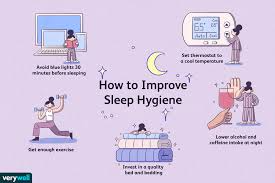
- Create a consistent sleep schedule: Go to bed and wake up at the same time every day, including weekends. Consistency help your body to sleep at a several time.
- Optimize the sleep environment:
- Keep the bedroom cool (around 60–67°F or 15–19°C).
- Minimize light with blackout curtains or an eye mask.
- Reduce noise or use white noise or calming sounds.
- Ensure a comfortable mattress and pillows.
- Limit exposure to screens before bed: The blue light from phones, tablets, and computers can suppress melatonin. At least 60 minutes of screen-free time before sleeping.
- Mind your intake:
- Avoid caffeine after 2–3 p.m. and limit nicotine.
- Be cautious with alcohol; it may help with initial sleep but disrupts later sleep stages.
- Don’t eat heavy meals right before bed; if hungry, a light snack is okay.
- Physical activity: Regular daytime exercise can improve sleep, but vigorous workouts close to bedtime may interfere. Aim for 150 minutes of moderate activity weekly, with workouts completed a few hours before bed.
Phase 2: Stimulus Control Therapy (SCT) Principles
Stimulus Control Therapy is a cornerstone for insomnia. It helps re-associate the bed and bedroom with sleep rather than wakefulness or anxiety.
- Use the bed only for sleep and sex: If you can’t sleep within 20 minutes, get out of bed and do something relaxing in low light until you feel sleepy.
- Go to bed only when sleepy: Don’t force sleep if you’re not tired.
- Wake up at a consistent time: Even if you woke during the night, rise at the same time daily.
- Avoid long naps: If you must nap, keep it brief (20–30 minutes) and earlier in the day.

Phase 3: Cognitive Techniques for Insomnia
Cognitive approaches address the mental aspects of insomnia—rumination, catastrophic thinking, and sleep-related anxiety.
- Cognitive restructuring: Challenge negative beliefs about sleep (e.g., “I’ll never sleep again”). Reframe thoughts to more balanced statements like, “Even if sleep is difficult tonight, I can handle it, and I will rest.”
- Worry period: Set aside 15–20 minutes earlier in the evening to consciously process concerns. Afterwards, postpone problem-solving until the next day.
- Paradoxical intention: If you’re anxious about sleep, deliberately trying to stay awake can reduce pressure and paradoxically help you fall asleep faster.
Phase 4: Relaxation and Mindfulness
Relaxation techniques reduce physiological arousal that can hinder sleep.
- Progressive muscle relaxation: Systematically tense and relax muscle groups to release tension.
- Breathing exercises: Slow, diaphragmatic breathing (e.g., 4 seconds in, 6–8 seconds out) can calm the nervous system.
- Guided imagery or body scan: Visualize calming scenes or focus attention on each body part to promote relaxation.
- Mindfulness meditation: A brief, daily practice can lessen rumination and improve sleep quality over time.
- Yoga or gentle stretching: Light movement before bed can ease muscle tension and promote sleep readiness.
Phase 5: Sleep Environment and Routine Tweaks
Small adjustments can yield significant improvements.
- Wind-down routine: A predictable 20–30 minute routine signals your body that sleep is approaching (dim lights, gentle stretching, reading a light book).
- Bedroom cues: Reserve the bed for sleep and intimacy; avoid working or watching intense TV in bed.
- Nighttime awakenings: If you wake up and can’t fall back asleep within 20 minutes, leave the room, do a quiet activity in dim light, and return when sleepy.
Phase 6: When Medical Evaluation Is Needed
If insomnia persists despite self-help efforts or if you have concerning symptoms, seek medical advice.
- Medical red flags: Loud snoring with daytime sleepiness, gasping or choking at night, persistent chest pain, or sudden weight changes may indicate sleep apnea or another medical issue.
- Professional options:
- Cognitive Behavioural Therapy for Insomnia (CBT-I): A structured, evidence-based therapy delivered by trained professionals. CBT-I is often as effective as medication for chronic insomnia and has long-lasting benefits.
- Short-term sleep medications: In some cases, clinicians may prescribe short courses of sleep aids. These are typically used with caution due to dependence, tolerance, and side effects.
- Treatment of underlying conditions: Depression, anxiety, pain, or medical illnesses may require targeted treatment to improve sleep.
Note: It’s important to consult a healthcare provider if you have chronic insomnia, are pregnant, have concerns about medications, or suspect sleep apnea or another sleep disorder.
Everyday Habits That Support Sleep Health
A sustainable approach to insomnia blends daily routines with targeted techniques. Consider these practical habits:
- Consistent wake times, even on weekends: Your body thrives on regularity.
- Natural light exposure in the morning: Light helps regulate circadian rhythms.
- Hydration without overdoing fluids at night: Reducing nighttime trips to the bathroom can improve continuity of sleep.
- Limit clock-watching: Staring at the clock during the night can increase anxiety about not sleeping.
- Keep a notepad by your bed: If intrusive thoughts arise at night, jot them down and promise to address them in the morning.
- Hydration and snacks: A small, sleep-supportive snack (e.g., a small serving of complex carbs with protein) can help some people.
Common Myths About Insomnia
- “Insomnia means I need more sleep pills.” Not necessarily. Behavioural strategies (CBT-I) and lifestyle changes often address root causes and have lasting effects.
- “If I just sleep in on weekends, I’ll make up for it.” Irregular schedules can worsen circadian misalignment. Consistency matters more for recovery.
- “Naps fix sleep problems.” Short, early-day naps can be helpful for some, but long or late-day naps may perpetuate insomnia.
Real-Life Strategies: Quick Wins for Busy Lifestyles
- Two-minute wind-down: Start your evening with a two-minute deep-breathing practice to lower arousal before bed.
- Caffeine cutoff reminder: Set a daily reminder to stop caffeine intake by a specific time, and track your consumption.
- Evening movement: A 20–30 minute walk after dinner can enhance sleep pressure without overstimulation.
- Ambient lighting: Use warmer, dim lights in the evening to cue your body toward rest.
The SEO-Friendly Takeaway: What Readers Should Remember
- Insomnia is treatable with a combination of sleep hygiene, behavioural techniques (SCT and CBT-I components), relaxation, and medical evaluation when needed.
- A proactive, structured plan yields sustainable improvements in sleep quality and daytime functioning.
- The road to better sleep is a journey—small, consistent changes often lead to meaningful outcomes.
FAQs
- What is insomnia, and how is it diagnosed?
Insomnia involves difficulties with sleep initiation, maintenance, or quality for several nights per week over a period of months. Diagnosis typically relies on patient history, sleep patterns, and sometimes a medical evaluation to rule out other sleep disorders or conditions. - How long does it take to see improvement after starting CBT-I?
Many people notice improvements within 4–6 weeks of consistent CBT-I practice. Some may feel changes sooner, while others require more extended engagement. - Can insomnia be caused by stress or anxiety?
Yes. Stress and anxiety are common contributors. Addressing underlying worries through worry journals, CBT techniques, and relaxation practices can help. - Are over-the-counter sleep aids safe?
Some OTC sleep aids can help occasionally, but they are not a long-term solution and may have side effects or interactions with other medications. It’s best to consult a healthcare provider before using them regularly. - Is daytime napping bad for insomnia?
Napping can be helpful for some, but long or late-day naps can worsen nighttime sleep. If you nap, keep it brief and earlier in the day. - When should I seek medical help for insomnia?
Seek medical advice if insomnia lasts more than a few weeks despite self-help efforts, if you have loud snoring with daytime sleepiness, chest pain, significant mood changes, or symptoms suggesting a sleep disorder like sleep apnea. - What dietary changes support better sleep?
A balanced diet with regular meals, limited caffeine and heavy meals close to bedtime, and hydration practices aligned with your sleep schedule can support better sleep. - Does exercise help with insomnia?
Regular physical activity improves sleep quality for many people. Avoid intense workouts close to bedtime, and aim for daytime or early evening activity. - Can sleep medications be a long-term solution?
Most clinicians prefer CBT-I and lifestyle changes as the long-term solution. Medications may be used short-term or in specific circumstances under medical supervision. - What is CBT-I, and how can I access it?
CBT-I is a structured, evidence-based program addressing thoughts, behaviours, and routines that affect sleep. It can be delivered in person, online, or via self-guided programs. Check with your clinician or trusted health platforms for CBT-I options.
Final Thoughts
Insomnia can feel like an uphill battle, but you don’t have to fight it alone—or forever. Start with a clear, practical plan that blends sleep hygiene, stimulus control, cognitive techniques, and relaxation. If needed, don’t hesitate to seek professional help, especially CBT-I, which has strong evidence for lasting improvements. By building a consistent routine and addressing both the mind and body, you can reclaim restful nights and regain the daytime energy you deserve.
If you’d like, I can tailor this content further for your audience with:
- Your specific reader persona (age range, lifestyle, primary concerns).
- Example headlines and meta descriptions optimized for Google rankings.
- A more comprehensive FAQ with schema markup suggestions for SEO.
- Internal link suggestions to related posts (e.g., anxiety management, stress relief, sleep-friendly recipes). Read more here