Introduction
For years, Kissing Bug Disease—scientifically known as Chagas disease—was considered a problem of Latin America. But now, growing evidence suggests it has made its way into the United States. According to health experts, Kissing Bug Disease in the U.S. is spreading silently, with more cases being reported every year. This has raised serious questions: how is Chagas transmitted, what risks does it pose, and how can families protect themselves?
In this article, we’ll explore the facts behind kissing bug disease, its symptoms, the dangers of Chagas, and the steps you can take to stay safe.
What Is Kissing Bug Disease?
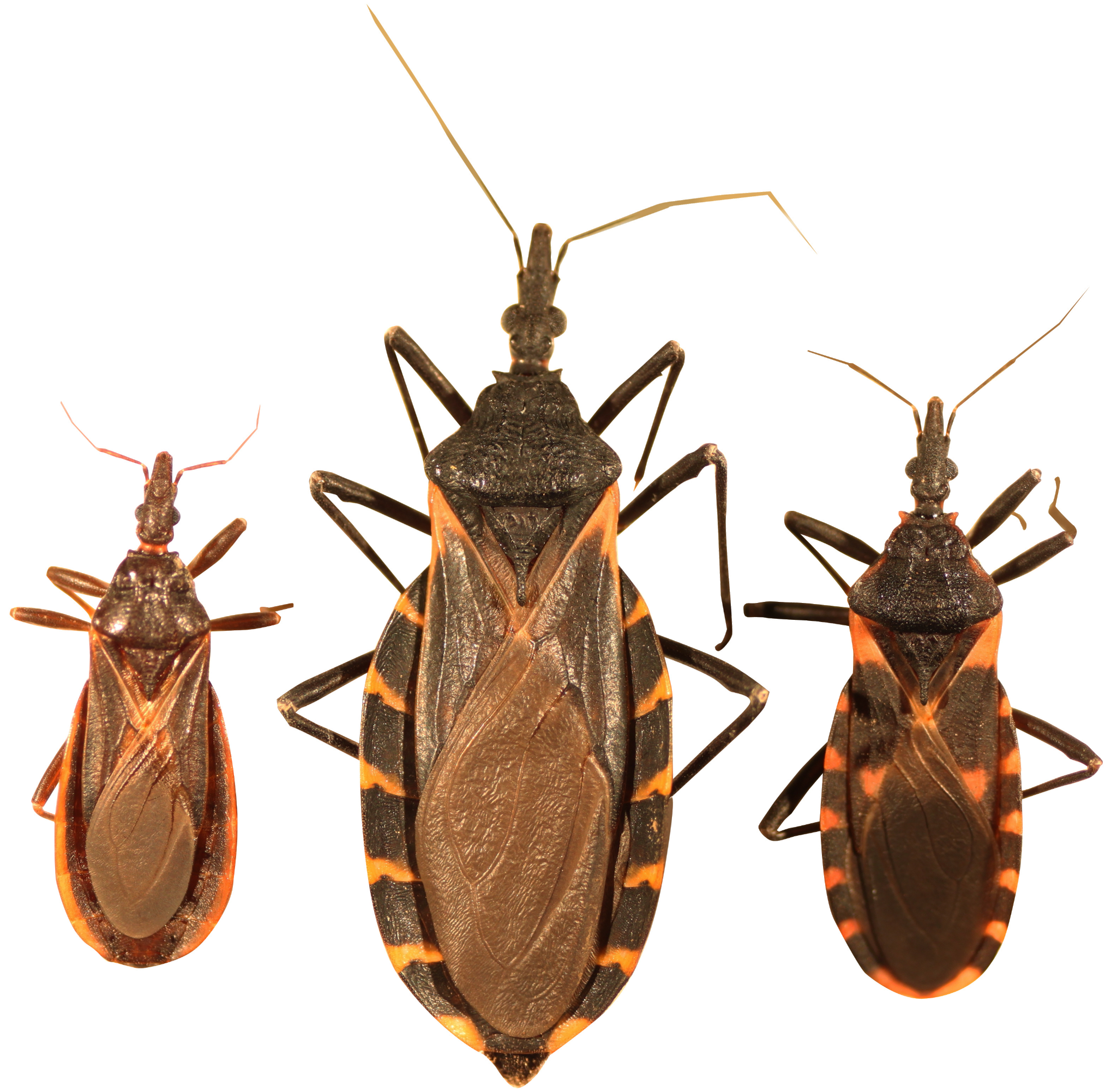
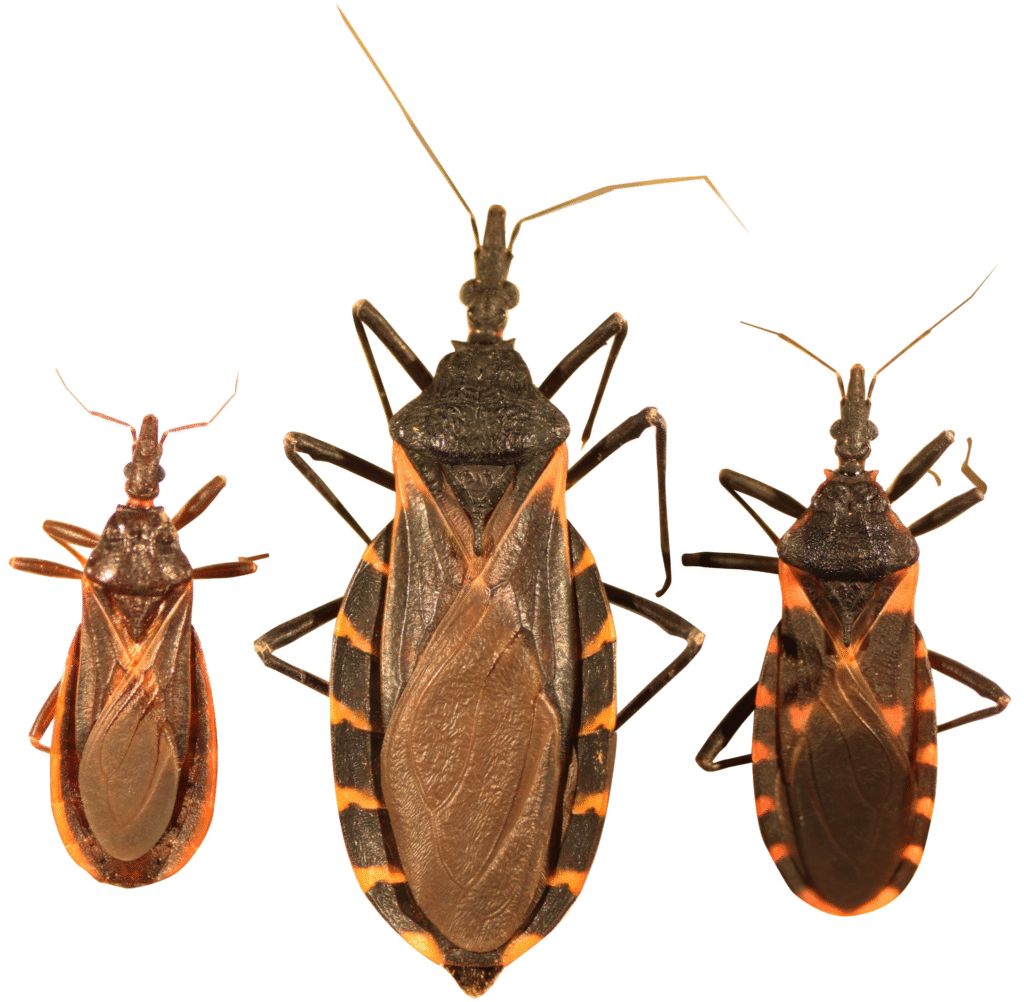
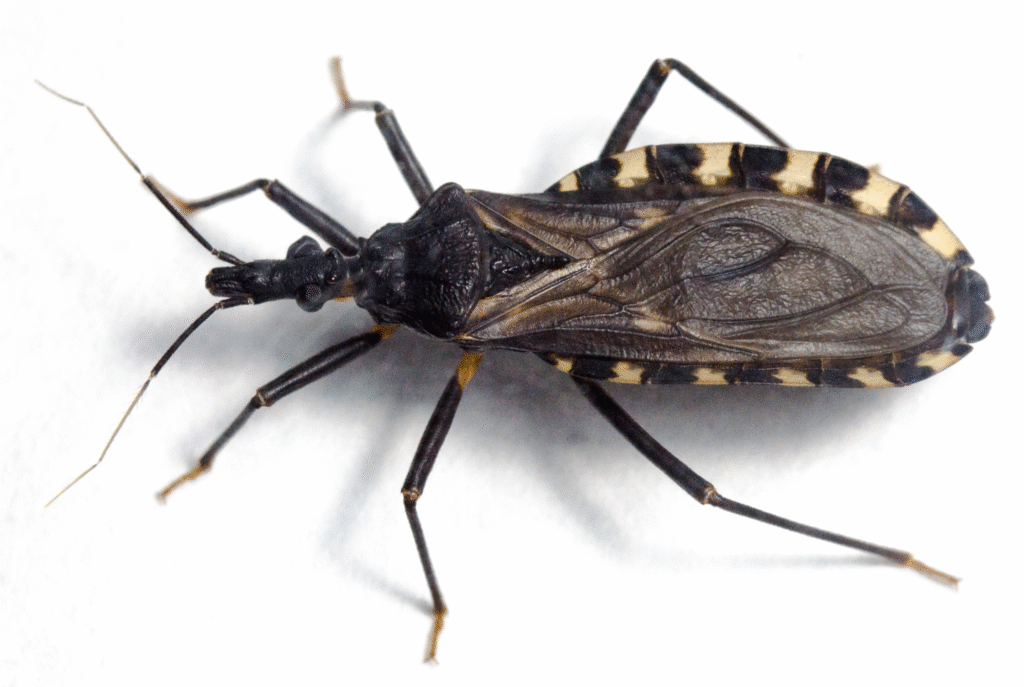
Kissing Bug Disease is caused by a parasite called Trypanosoma cruzi, which is carried by insects commonly known as kissing bugs. These bugs are named for their tendency to bite humans near the lips and eyes while they sleep.
Once bitten, the parasite can enter the body, leading to Chagas disease—a potentially life-threatening infection.
Where Are Kissing Bugs Found in the U.S.?
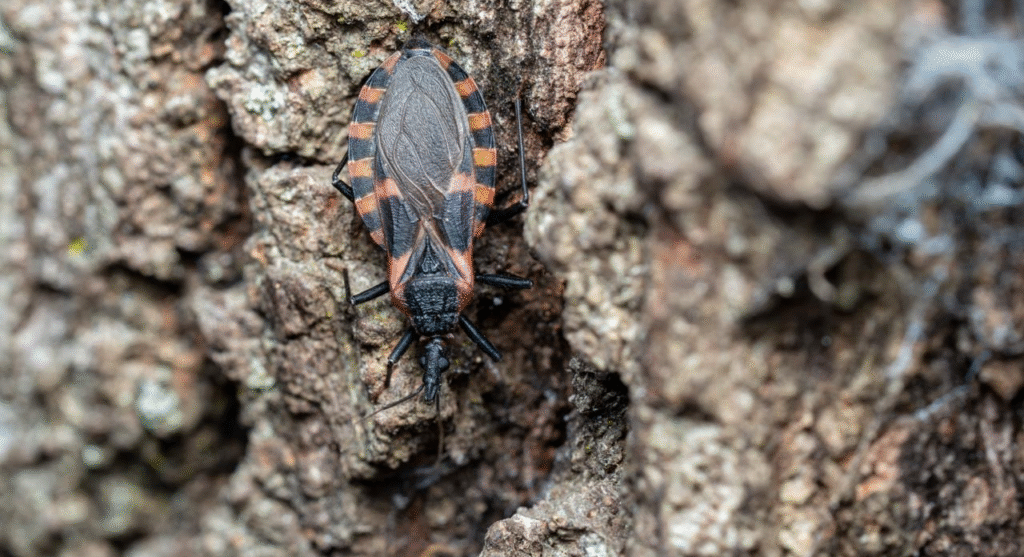
Traditionally, kissing bugs lived in Central and South America, but in recent years they have been identified across:
- Southern U.S. states like Texas, Arizona, and New Mexico
- Parts of California and Louisiana
- Even some Midwestern states
Warmer climates, changing ecosystems, and increased human travel may be contributing to their spread.
How Is Kissing Bug Disease Transmitted?
Unlike mosquitoes, which spread disease directly through saliva, kissing bugs transmit parasites differently:
- The bug bites and feeds on blood.
- It then defecates near the bite site.
- If a person scratches or rubs the area, the parasite enters through broken skin or mucous membranes.
This indirect method makes prevention tricky.
Symptoms of Chagas Disease
Acute Phase Symptoms
Within weeks of infection, symptoms may include:
- Fever and fatigue
- Swelling around the bite site
- Enlarged lymph nodes
- Rash
Chronic Phase Symptoms
If untreated, the disease can become chronic, leading to:
- Heart complications (irregular heartbeat, heart failure)
- Digestive issues (enlarged oesophagus or colon)
- Nervous system damage
Alarmingly, many people don’t show symptoms until the disease has already advanced.
Why Is Chagas Disease Dangerous?
The World Health Organization classifies Chagas as a “neglected tropical disease”, meaning it doesn’t get the same attention as illnesses like malaria or dengue.
But here’s why it’s a growing threat in the U.S.:
- Long latency: People may live for years without symptoms.
- Serious complications: Up to 30% of infected individuals develop chronic heart or digestive issues.
- Silent spread: Blood transfusions, organ transplants, and even pregnancy can transmit the parasite.
Who Is Most at Risk in the U.S.?
Not everyone faces the same level of risk. The following groups are most vulnerable:
- People living in southern states with warmer climates
- Individuals in rural or poorly constructed housing
- Outdoor workers and campers
- Immigrants from Latin America, where the disease is more common
Kissing Bug Disease vs. Other Insect-Borne Illnesses
While mosquito-borne illnesses like West Nile virus get more headlines, Chagas disease is unique because of its chronic, long-term health risks. Unlike a short illness, Chagas can quietly damage the heart and digestive system over decades.
How Can You Prevent Kissing Bug Disease?
Home Protection Tips
- Seal cracks and gaps around windows, walls, roofs, and doors.
- Use screens on windows and doors.
- Keep outdoor lights dim (since bugs are attracted to light).
- Keep yards clean, removing woodpiles and debris where bugs may hide.
Personal Safety
- Use insect repellents when camping.
- Sleep under bed nets if in high-risk areas.
- Avoid touching your face after potential exposure.
Diagnosis and Treatment of Chagas Disease
If you suspect exposure, consult a healthcare provider. Diagnosis usually involves:
- Blood tests to detect antibodies against T. cruzi
- Electrocardiograms if heart complications are suspected
Treatment:
- Medications like Benznidazole and Nifurtimox are effective, especially in the early stages.
- For chronic cases, treatment focuses on managing heart and digestive complications.
The Role of Climate Change in Kissing Bug Spread
Rising temperatures and shifting ecosystems may be helping kissing bugs expand their range. Areas previously unsuitable for the bugs may now be at risk, meaning more Americans could be exposed in the future.
Public Health Efforts in the U.S.
- Awareness campaigns by the CDC and local health departments
- Blood donation screening to prevent transfusion-related cases
- Research investments into better treatments and vaccines
Still, experts warn that more public education is urgently needed.
Conclusion
The rise of Kissing Bug Disease in the U.S. is a reminder that global health issues don’t stay confined to borders. As cases of Chagas disease in America continue to grow, awareness, prevention, and early detection are key to stopping its spread. Protecting yourself and your family starts with education—and with simple steps, you can reduce your risk of infection.
FAQs
1. What is Kissing Bug Disease?
Kissing Bug Disease, or Chagas, is caused by the parasite Trypanosoma cruzi, spread through the bite of kissing bugs.
2. Is Chagas disease in the U.S.?
Yes. Once thought to be limited to Latin America, Chagas is now present in many southern and southwestern U.S. states.
3. What are the main symptoms of Chagas disease?
Early symptoms include fever, fatigue, and swelling near the bite. Long-term complications can affect the heart and digestive system.
4. Can kissing bug disease be cured?
Yes. If diagnosed early, Chagas disease can be treated with medications like Benznidazole and Nifurtimox.
5. How can I protect my home from kissing bugs?
Seal cracks, use screens on doors and windows, reduce outdoor lighting, and keep your yard free from woodpiles or clutter.