
The reusable water bottle: it’s your constant companion, your hydration hero, and a small but mighty weapon against single-use plastic. You take it to the gym, to the office, on the hiking trail—it’s practically glued to your hip. You’re doing your part for the planet, and you’re crushing your hydration goals. That’s fantastic!
But let’s talk about the one thing you might be forgetting amidst all that mindful living: cleaning it.
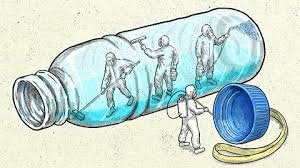
If you’re like most people, you probably just rinse it out quickly, maybe once a week, or perhaps only when you notice a weird smell. If that’s you, prepare to be grossed out—and motivated. The truth is, your beloved water bottle can quickly become a five-star resort for millions of germs, bacteria, and mould.
Welcome to the ultimate guide to water bottle hygiene. We’re going to dive into the shocking science, break down the different cleaning schedules for every lifestyle, and give you the simple steps to keep your bottle a source of health, not harm.
The Ick Factor: Why Your Bottle is a Microbial Playground
Why does a simple vessel for water get so dirty, so fast? The answer lies in the perfect storm of conditions you create every time you take a sip.
The Science of the Slime: A Warm, Wet Ecosystem
When you drink, you introduce everything from your mouth into the bottle: saliva, residual food particles, and a variety of microorganisms. These germs then land in an environment that is their absolute favourite:
- Moisture: Water creates the perpetually damp environment they need to thrive.
- Warmth: Whether your bottle is sitting in a hot car, resting in a gym bag, or just holding room-temperature water, it’s often warm enough to accelerate bacterial reproduction.
- Darkness: Many water bottles (especially stainless steel ones) are dark inside, which is exactly where bacteria like to multiply without UV interference.
Studies have shown that some reusable water bottles can harbour literally millions of bacterial colonies per square centimetre. In some extreme cases, they can be host to more germs than a pet’s food bowl or a kitchen sink. The majority of these are harmless mouth bacteria, but they include other concerning strains like E. coli and mould spores, which can certainly lead to illness, especially if your immune system is compromised.
Your Definitive Guide: How Often to Wash Your Water Bottle
The short, non-negotiable answer is: Daily.
Yes, every single day. A quick rinse isn’t enough; it requires a proper clean. However, the type of beverage and your activity level can make a difference in how deeply and frequently you need to scrub.
Cleaning Frequency by Beverage Type
| Beverage Type | Recommended Washing Schedule | Deep Cleaning Schedule |
| Plain Water | Daily. Wash with warm, soapy water after your last use of the day. | Once a week. Use a diluted bleach, vinegar, or sterilising tablet solution. |
| Sweetened Drinks (Juice, Sports Drinks, Sugared Tea) | Immediately. Sugar is a superfood for bacteria. Wash immediately after finishing the drink. | Twice a week. Sugar residue is tough to remove. |
| Coffee/Tea (Unsweetened) | Daily. Coffee oils and tannins leave residue and a smell. | Once a week. Focus on removing stains and odours. |
| Infused Water (Fruit, Cucumber) | Daily. Fruit particles can rapidly break down and grow mould. | Twice a week. Ensure no seeds or pulp remain. |
When Your Bottle Needs an Immediate Deep Clean
Certain situations require you to drop everything and sterilise your bottle, regardless of the schedule:
- When you’ve been sick: Immediately after you start feeling better (or even during), sterilise it to prevent re-infection.
- If you dropped it in a questionable area: The floor of the gym, the sidewalk, or a public restroom.
- If you notice a smell or slime: The smell is microbial waste. Slime is a biofilm. Both are major red flags.
- After prolonged, strenuous activity, Sweat from your hands often touches the mouthpiece and cap.
The Power Scrub: Simple Steps for a Squeaky Clean Bottle
It doesn’t have to be a chore! A quick daily wash and a weekly deep clean are easy to integrate into your routine.
The Daily Wash (The Quick Clean)
- Disassemble: Take apart the cap, straw, and any seals or gaskets. These little crevices are where mould loves to hide.
- Soak & Scrub: Use warm water and a little bit of dish soap. Use a bottle brush to reach the bottom and sides, as a sponge simply won’t reach. Use a small straw brush for any internal tubes.
- Rinse Thoroughly: This is crucial. Make sure all soap residue is completely rinsed away.
- Dry Completely: The most important step! Allow all components to air-dry completely before reassembling. Do not immediately put the cap back on, as trapped moisture breeds mould.
The Weekly Deep Clean (The Sanitising Boost)
Once a week, you need to sanitise to kill any stubborn bacteria or mould spores.
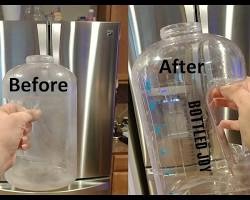
- The Bleach Method (Recommended for non-metal bottles): Fill the bottle with one teaspoon of regular, unscented household bleach per gallon of water. Let it sit for 5-10 minutes. Rinse thoroughly—multiple times—with hot water until you can’t smell the bleach.
- The Vinegar Method (Good for metal or natural cleaning): Fill the bottle about 1/5 of the way with distilled white vinegar and the rest with water. Let it soak overnight. Vinegar is a mild disinfectant and great for removing smells and mineral deposits. Rinse well in the morning.
- The Sterilising Tablet Method (Easiest): Drop a bottle-cleaning or denture-cleaning tablet into a full bottle of water and let it dissolve and sit according to the package directions. This is highly effective and requires minimal scrubbing.
Frequently Asked Questions (FAQs)
Q: Is it okay to put my water bottle in the dishwasher?
A: It depends on the material. Stainless steel bottles or those with complex closures (like straw tops) often have parts that are not dishwasher safe, as the heat can damage the insulation or warp the plastic/silicone seals. Always check the manufacturer’s instructions. Even if it is safe, you still need a bottle brush for a thorough clean.
Q: What is that pink or black stuff growing inside my bottle?
A: The pink film is often a naturally occurring airborne bacterium called Serratia marcescens. The black or greenish film is almost always mould. Neither is good. If you see this, you must immediately perform a deep, sanitising clean (using the bleach or sterilising tablet method) and inspect the cap and seals very closely for hidden mould growth.
Q: I only drink bottled water and pour it into my reusable bottle. Do I still need to wash it daily?
A: Yes. The water source is clean, but the bacteria and germs come primarily from your mouth and your hands. Every time your lips touch the spout, you introduce germs. Daily washing is still required.
Q: Why do my stainless steel bottles sometimes smell metallic?
A: This is usually a sign of mineral buildup from hard water or even just the reaction of the stainless steel to the oils and bacteria in the water. The vinegar soak method is excellent for eliminating this metallic smell and breaking down the residue.
Conclusion
Your reusable water bottle is a health tool. Don’t let it become a source of illness! By committing to a simple daily wash with soap and water and a weekly deep clean, you can ensure that the hydration you’re diligently consuming is clean, fresh, and genuinely contributing to your well-being. Your gut—and your nose—will thank you! Read more here